
The 6 P's of Marketing: Complete Guide for Growth
Fai Masri | 16 June 2025 (Updated)
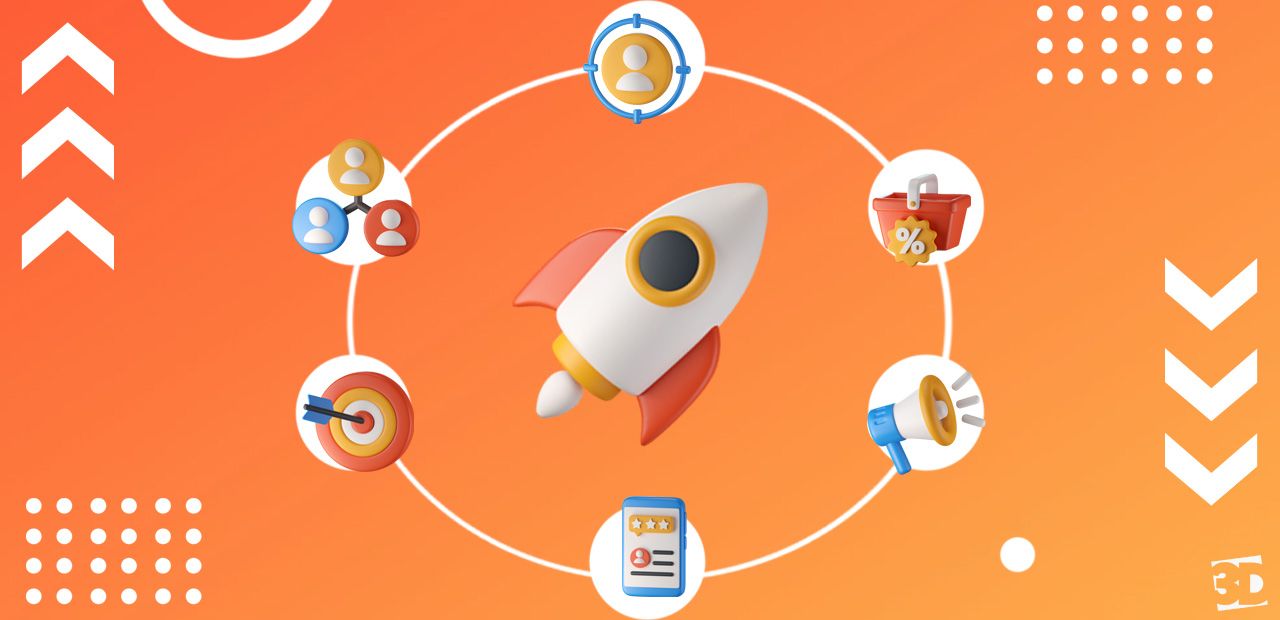
The What P's of Marketing?!
Many marketers are familiar with the traditional 4 P's of marketing, but have you heard of the 6 P's?
In today's competitive landscape, traditional marketing principles have evolved to encompass a more holistic approach. The 6 Ps of Marketing, namely Product, Price, Place, Promotion, People, and Positioning, serve as a comprehensive framework to guide businesses in crafting effective marketing strategies that resonate with their target audience.
This is important because it helps your brand stay relevant and maintain a relationship with your consumers. Let's take a deep dive into the 6 Ps of Marketing and how it can help your business drive sustainable growth.
1. Products: Crafting Value-Driven Offerings
Starting with the "Products" or services you are selling, you should always have a clear description of what they entail. This includes what it is, its purpose, its attributes, and most importantly, clearly spelling out the benefits your consumers can expect to gain.
Always consider the unique selling point or factor of superiority and communicate that to your consumers. Specifying the benefits and advantages may help your customers differentiate your products from your competitors.
It's essential to:
Define Clear Benefits
A product’s benefits should be explicitly communicated to consumers. While features describe what a product has, benefits explain what a product does for the customer. Clear articulation of benefits helps consumers understand why they should choose your product over competitors’.
Key questions to ask:
-
-
What practical problems does your product solve? For example, a Halal-certified water filtration system not only provides clean water but also assures religious compliance.
-
How does your product make the consumer feel? Luxury brands often sell an experience or status, rather than just a product.
-
Some products offer unique experiences, like wellness devices that enhance lifestyle or health.
-
Ensure Market Relevance
Continuously assess and adapt your offerings to meet the evolving needs and preferences of your target market. Products must evolve with customer needs, preferences, and market trends. A product that is relevant today may become outdated if it fails to adapt. Regular market research, feedback collection, and trend analysis are critical.
Strategies to maintain relevance:
-
-
Actively solicit feedback through surveys, social media, or direct interactions. Use insights to refine or enhance your products.
-
Keep track of industry developments and competitor innovations to anticipate shifts in consumer expectations.
-
Continuously improve your product based on real-world use and customer insights.
-
Differentiate from Competitors
Highlight distinctive features or qualities that set your product apart in the marketplace.
2. Price: Aligning Value with Customer Perception
"Price" is one of the most influential elements of the marketing mix because it communicates the value of your product to customers and directly impacts profitability. Setting the right pricing strategy requires careful consideration of your business’s market position, competitive landscape, customer expectations, and long-term brand objectives.
At a basic level, pricing signals quality. For instance, products with higher price tags are often perceived as premium or higher quality, which can shape consumer expectations. Conversely, lower-priced offerings may attract price-sensitive customers but can sometimes create perceptions of lower quality.
The right pricing strategy depends on your business goals:
Market Penetration
If your goal is to capture a larger market share, you may consider lower prices to attract a broad customer base and increase adoption of your product or service. This approach is especially effective for new entrants in a competitive market.
Premium Pricing
To reinforce a high-end brand identity, setting a higher price can communicate exclusivity and quality. This can help cultivate a loyal customer base willing to pay for perceived value.
Value-Based Pricing
Pricing should reflect the actual benefit your product delivers to customers, rather than solely the cost of production. For example, a business consultancy service that helps clients increase revenue significantly can charge fees based on the expected return on investment (ROI).
Trial and Adjustment
Pricing is not static. You can experiment with different price points, promotions, or bundles to find the optimal pricing that balances demand, profitability, and brand perception.
Strategic Considerations for SMEs
-
-
Align pricing with your brand positioning. Premium brands should avoid frequent deep discounts that can dilute perceived value.
-
Regularly review and adjust pricing based on market trends, consumer feedback, and cost changes.
-
Monitor KPIs such as conversion rate, average order value, and profitability to ensure pricing strategies are effective.
-
3. Place: Optimizing Distribution Channels
For "Place", to simply put it, it refers to the locations and platforms in which your product is sold. There are plenty of ways through this, including direct sales, via distributors, telemarketing etc. With the rise of e-commerce, many businesses have also brought their businesses online for several reasons.
The different channels may offer your businesses new opportunities or potential consumers and markets. It is key to make sure your products or services are easily accessible to your consumers at all times.
Ensuring your product reaches the right audience at the right time involves:
Channel Selection
Choose appropriate distribution channels, be it online platforms, retail outlets, or direct sales.
Logistics Management
Streamline supply chain and inventory processes to ensure product availability.
Market Accessibility
Expand into new markets or demographics to broaden your customer base.
4. Promotion: Amplifying Your Brand and Engaging Customers
“Promotion” is a critical pillar of the 6 Ps of Marketing, as it encompasses all the strategies and tactics a business uses to communicate its value to its target audience. Promotion ensures that potential customers know about your products, services, and brand identity, influencing their purchasing decisions and fostering loyalty.
Promotion is more than just about advertising. It includes public relations, sponsorships, events, influencer collaborations, content marketing, and any form of communication that raises awareness of your business. The choice of promotional activities depends on multiple factors, such as industry, target audience, company size, and marketing budget.
One essential aspect of promotion is Return On Investment (ROI). Businesses must assess whether the value of the consumers gained from a promotion justifies the budget spent to reach them. Even small adjustments in timing, messaging, or channel selection can dramatically affect results. Regular measurement and analysis are key to optimizing promotional campaigns and ensuring resources are used efficiently.
Key strategies for effective promotion include:
Integrated Marketing Communications (IMC)
IMC is the practice of combining multiple marketing channels and tools to deliver a consistent message across all touchpoints. This approach ensures that your brand maintains a unified voice and identity, whether through traditional advertising, digital marketing, or public relations. Key benefits include improved brand recognition, stronger messaging, and higher customer engagement. Examples include:
-
-
Coordinated social media campaigns aligned with email marketing
-
Press releases and media coverage that reinforce online promotions
-
Sponsorships or partnerships that reflect your brand values
-
Content Marketing
Content marketing focuses on creating and distributing valuable, relevant, and consistent content to attract and retain a clearly defined audience. The goal is to provide information or entertainment that addresses customer needs while building brand authority. Effective content marketing includes:
-
-
Blog posts and articles that provide industry insights or practical tips
-
Educational videos, webinars, or tutorials
-
Infographics and visual content that simplify complex ideas
-
Sales Promotions
Sales promotions are short-term tactics designed to encourage immediate action from customers. They can stimulate demand, increase conversions, and incentivize purchases. Common sales promotions include:
-
-
Time-limited discounts or flash sales
-
Bundled offers or “buy one, get one free” deals
-
Loyalty programs or referral incentives
-
Digital Advertising
In today’s digital-first world, paid online advertising is a core component of promotion. Platforms such as Google Ads, Facebook, Instagram, LinkedIn, and TikTok allow businesses to reach highly targeted audiences with measurable outcomes. Benefits include precise targeting, real-time analytics, and cost-effective budget management.
For small and medium-sized enterprises (SMEs), promotion strategies can be strengthened through government support programs such as the Digital Marketing PSG Grant
Public Relations (PR) and Sponsorships
PR activities, such as media outreach, press releases, and events, help shape public perception and build credibility. Sponsorships, whether of events, or causes, can amplify brand visibility and align your business with audiences that share similar values.
Measurement and Optimization
Promotion is not a one-time effort. It requires continuous monitoring, analysis, and adaptation. Key performance indicators (KPIs) like click-through rates, conversion rates, engagement metrics, and ROI should be tracked to evaluate effectiveness and adjust strategies accordingly.
5. People: The Heart of Your Business
The “People” aspect of the 6 Ps of Marketing goes beyond just hiring staff. It encompasses everyone who interacts with your business, including employees, management, and even external partners. People are the human element that can make or break customer experiences, especially for service-oriented businesses where personal interaction is critical.
They play a critical role in a business, whereby their past experiences, knowledge, and attitude all come into place. This is especially so for businesses providing services, as consumers’ decisions may be affected by the customer service provided.
Staff Expertise and Knowledge
The skills, qualifications, and experience of your team directly influence service quality and operational efficiency. Well-trained employees can solve customer problems effectively, provide accurate information, and adapt to unexpected challenges to enhance customer satisfaction and loyalty.
Attitude and Mindset
A team with a positive, customer-centric mindset can transform ordinary interactions into memorable experiences. Attitude affects how staff handle complaints, engage with clients, and represent the company’s brand values. Even small gestures, like attentiveness or empathy, can create a lasting impression.
Management Influence
Leadership sets the tone for company culture, operational standards, and customer service expectations. Effective managers motivate teams, align staff with the company’s vision, and ensure consistency in service delivery across all touchpoints.
Recruitment and Retention
Attracting the right talent and retaining skilled employees is crucial. High turnover disrupts service continuity and may negatively affect customer perception. Investing in employee development programs, recognition, and career growth opportunities helps maintain a committed workforce.
Impact on Customer Decisions
For service-based businesses, customer decisions are heavily influenced by the people delivering the service. For instance, in hospitality, healthcare, or consulting, clients often judge the brand based on the professionalism, friendliness, and responsiveness of staff.
Team as Brand Ambassadors
Every interaction your staff has with customers contributes to brand perception. Employees who embody your company values become natural advocates, reinforcing brand trust and credibility. Encouraging employees to participate in marketing initiatives or social media campaigns can further amplify your brand presence.
6. Positioning: Establish a Unique Market Identity
Lastly, "Positioning" is how a business differentiates itself from its competitors. This can be done through pricing, brand identity, image, products, services, and so on. You should set a clear value proposition for your business, and this should be how you want your consumers to perceive your business. A great example of Coca-Cola’s value proposition is representing happiness when one opens the can. You should always strive to create an ideal impression in the hearts and minds of your consumers. The best is that whenever your brand name is mentioned, your consumers will immediately get reminded of your brand’s identity. A well-rooted positioning can affect consumers’ willingness to purchase and spending power, so make sure you do that well.
Strategies for Effective Positioning:
Brand Messaging
Develop clear, consistent messaging that conveys your mission, values, and benefits.
Emotional Connection
Marketing campaigns that evoke emotions build stronger loyalty and recognition.
Reputation Management
Online reviews, testimonials, and PR help maintain a positive image.
Competitive Differentiation
Identify gaps in the market and communicate your unique value proposition.
Conclusion: How the 6 P's of Marketing can Boost Your Brand
In conclusion, the 6 Ps of Marketing, namely Product, Price, Promotion, Place, People, and Positioning, are crucial components that play an important role in boosting your brand. When these elements are properly aligned, it can lead to increased brand recognition, customer satisfaction, and profitability. By understanding the 6 Ps, businesses can develop a comprehensive marketing strategy that leverages their strengths and addresses their weaknesses, ensuring that they are making the most of every opportunity to grow their brand. With the right combination of these six elements, businesses can elevate their brand and establish a strong, recognizable presence in the market, ultimately leading to greater success and growth.
Now that you are more familiar with the 6 P’s of Marketing, are you ready to embark on the journey of taking your business to the next step?
Get started on your Digital Marketing journey and get 50% PSG Grant Support. Get started with us today!
Run Smarter Digital Marketing Campaigns
Get 50% Grant support
Build digital marketing campaigns optimized for sales and conversions. Offset half the cost with PSG support and turn your business into a market leader, today!